Safe Operation of Heavy Machinery on Site
Heavy machinery on a site is productive only when everyone around it returns home safely. The habits below, applied consistently, reduce the most common risks on mining and construction sites.
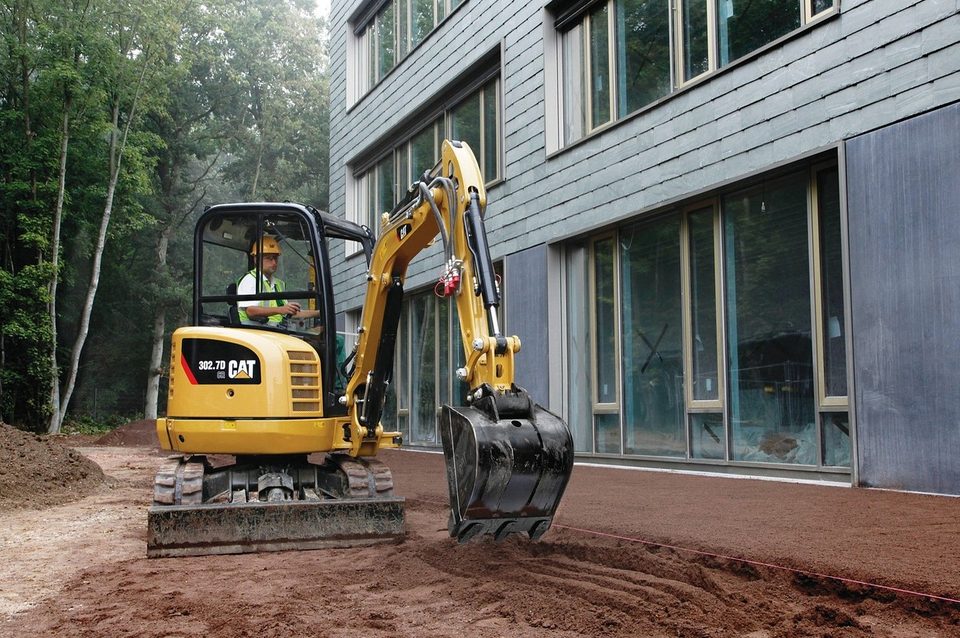
Early signs such as a warning light that flickers, an unusual vibration or a brake that feels soft are often the first clue.
Pre-shift inspection of critical systems
Every shift should begin with a structured inspection of the systems that stop, steer and protect the machine. Operators should check brakes, steering response, hydraulic lines for leaks or abrasion, tyre or track condition, and the function of lights, horns and alarms. Engine coolant, fuel and oil levels belong on the same list because a sudden failure under load can be dangerous. Any fault that affects braking, steering or stability should take the machine out of service until a qualified person has repaired it.
Documenting the inspection matters as much as performing it. A short written or digital checklist, signed by the operator, creates a clear record that the machine was ready at the start of the shift. It also helps the maintenance team spot patterns, such as a hydraulic hose that wears out faster on one unit than another. Over time these records guide scheduled servicing and reduce unplanned breakdowns that might otherwise occur mid-task.
Inspection is also about the surroundings. Before starting, the operator should walk around the machine to look for people, loose materials, tools left on the ground and obstacles overhead. Warning signs, barriers and lighting should be in place for work in darkness or poor visibility. A pre-shift walk-around takes little time, yet it catches many hazards that a cab-only check would miss, and it sets the right mental focus for the hours ahead.
Blind spots and exclusion zones around machines
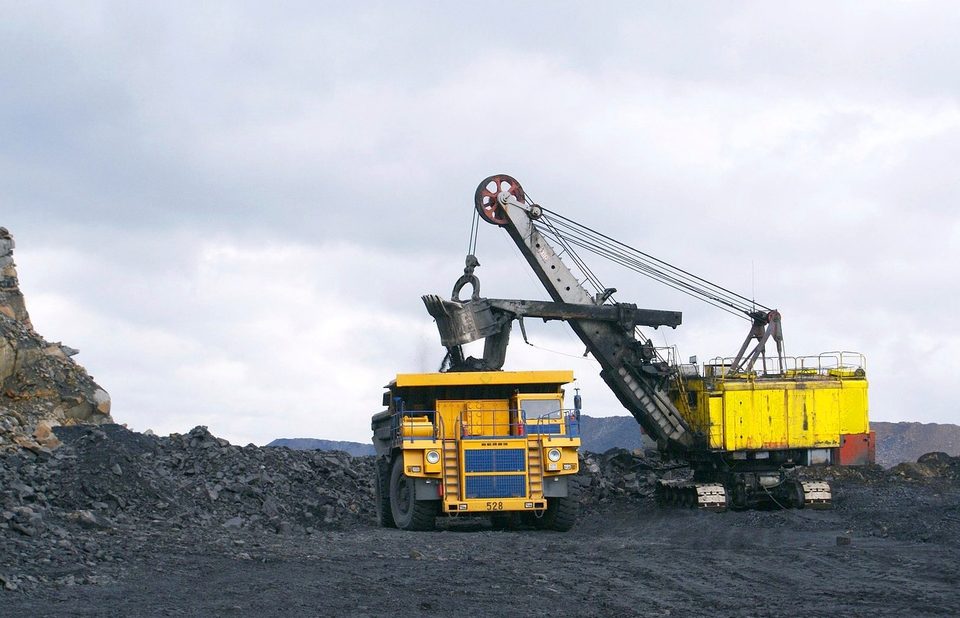
Large machines have blind spots that can hide a person standing close by, sometimes only a few metres from the cab. Haul trucks, wheel loaders and excavators all share this problem, particularly at the rear and on the side opposite the operator. Designated exclusion zones should be marked on the ground and enforced for every machine in operation. Nobody should enter the zone without first confirming with the operator that the machine is stopped and the brakes are set.
Clear rules help everyone understand where they may stand and walk. Pedestrian routes should be separated from haul roads wherever possible, and crossing points should be controlled by signage or a banksman. Operators should use mirrors, cameras and proximity sensors when fitted, but these aids supplement rather than replace good positioning and slow, deliberate movement. When visibility drops, work should pause until the area can be observed properly.
Training supports these measures. Workers should understand the reasoning behind each exclusion zone, not just the line on the ground, and new staff should be shown the blind spots of each machine type they will encounter. Regular toolbox talks can refresh this knowledge and let crews discuss near-miss situations openly. A site where people know exactly where the danger lies is far safer than one where the boundaries exist only on paper.
Communication between operators and ground crew
Clear communication between operators and ground crew prevents many accidents, especially when several machines and people share a work area. Before any lift, swing, reversing manoeuvre or load-out, the operator and the signaller should agree on the signal to be used. Hand signals, radio calls and horn codes each have their place, but the chosen method must be understood by everyone involved. Ambiguous signals lead to confusion, so simple, standard terms are preferable to improvised gestures.
Radios add value when they are used with discipline. Calls should be brief, use the same vocabulary across the site, and confirm that the message has been received and understood. Operators should never act on an instruction they cannot see or hear clearly, and ground crew should stand where the operator can see them at all times. Where noise makes speech unreliable, a visual signal or a stop-work call should take priority over any attempt to shout over the machine.
Good communication also means stopping when in doubt. Anyone who notices an unsafe situation should be able to call a halt without fear of criticism, and the operator should respond immediately by bringing the machine to a controlled stop. Shift handovers deserve the same care, with outgoing and incoming operators briefing each other on ongoing tasks, unusual conditions and any defect that has been noted. Clear handover reduces the risk that a hazard is forgotten between shifts.
- Agree on signals before starting any lifting, reversing or loading task.
- Keep radio calls short, standard and confirmed by the receiver.
- Stop work immediately if a signal is unclear or a person is unseen.
- Brief the incoming operator on defects, ongoing tasks and site conditions.
Safe entry, exit and seat belt use
Entering and leaving a machine is one of the most common points where people get hurt, because the operator is moving between surfaces that are often wet, oily or uneven. Use the three-point contact rule every time: keep two hands and one foot, or two feet and one hand, in contact with the handholds and steps while climbing on or off. Never jump down from the cab, and never climb onto tracks, tyres or hydraulic components that were not designed as walkways. Face the machine when you descend so that your weight stays centred over the steps.
Seat belts should be fastened before the engine is started and kept on for the whole shift, including short moves across the yard. A belt that is frayed, stiff or no longer retracts properly should be reported and replaced before the machine goes back into service. Adjust the seat and mirrors before moving so that you do not need to lean or twist while the machine is in motion. Keep the cab clear of loose tools, bottles and paperwork that could roll under the pedals or strike you during a sudden stop.
Before you leave the cab, lower all attachments to the ground, apply the parking brake, shut the engine down and remove the key if the procedure requires it. Confirm that the machine is stable on level ground before stepping out, and never leave the seat while a bucket or boom is still raised. If you need to work on or near a machine that is running, make sure the operator knows where you are and has agreed to stay in the seat. Good habits at the exit point prevent most of the falls that occur during shift changes.
Working on slopes and unstable ground
Working on a slope is fundamentally different from working on level ground, because the machine can lose traction or tip even when the operator is careful. Before committing to a slope, look at the ground surface, check for loose material, cracks or water seepage, and confirm that the gradient is within the manufacturer's stated limits for that machine. Travel straight up or down the slope where possible, and avoid turning across the fall line. Keep the machine's centre of gravity low and the attachment close to the body when moving.
Unstable ground around excavations, edges and spoil piles can give way without warning, so maintain a safe distance from any crest or bank that may collapse under the weight of the machine. Ask a competent person to assess the ground before work starts and again after rain, blasting or heavy traffic. Establish a clear exclusion zone at the top and bottom of slopes and never allow personnel to stand below a working face. If the surface shows movement, stop, lower the load and withdraw the machine along the route you came in on.
Plan the route for every shift so that haul trucks and loaders do not have to reverse up unstable ramps or turn sharply on soft shoulders. Mark haul roads with berms or barriers and keep them drained so that water does not undermine the surface. When visibility is poor because of dust, fog or darkness, reduce speed and stop work on exposed faces until conditions improve. Stability is a shared responsibility between the operator, the supervisor and whoever maintains the site surfaces.
- Confirm slope gradient against the machine's rated limits before work starts.
- Inspect the ground for cracks, loose material and water after rain or blasting.
- Travel straight up or down the slope and avoid turning across the fall line.
- Keep personnel out of the zone below any working face or unstable bank.
- Stop work and withdraw the machine if the ground shows any sign of movement.
Reporting defects and near misses promptly
Every incident starts somewhere, and early signs such as a warning light that flickers, an unusual vibration or a brake that feels soft are often the first clue. Operators should report any defect, however minor it appears, to the supervisor and record it in the machine log before the next shift. Near misses, such as a bucket swinging close to a worker or a truck reversing without a spotter, deserve the same attention because they show where the controls are failing. A prompt report allows maintenance to fix the cause before someone is hurt.
Reporting works only when people feel safe doing it, so supervisors should respond calmly and without assigning blame to the person who raised the concern. Make the reporting process simple, with a logbook or digital form that can be completed in a few minutes at the machine. Review reported defects and near misses at the start of each shift or toolbox talk, so the whole crew learns what happened and what changed. Patterns that repeat across several reports often point to training gaps, worn components or unclear procedures.
Keep a clear record that shows when each defect was reported, what action was taken and when the machine was returned to service. Do not operate equipment that is tagged out of service, even if the fault seems small, and never bypass a guard, interlock or alarm to keep production moving. Encourage every crew member, including ground personnel and visitors, to speak up when something looks wrong. A site where reporting is routine is one where small problems are fixed before they become serious accidents.
Key points
-
Inspect first A structured pre-shift inspection of brakes, steering, hydraulics, lights and alarms catches many faults before they become hazards.
-
Respect the zone Keep people out of blind spots and exclusion zones, and agree on signals with the ground crew before any machine moves.
-
Report early Defects and near misses should be logged and acted on promptly, because they reveal risks before injuries occur.
Sources
This article is general information and does not constitute professional advice.