Wheel Loaders Versus Dump Trucks: Which Fits Your Haul
Choosing between a wheel loader and a dump truck is rarely a simple either-or decision. Both machines move material, but they earn their keep in different roles, and the mix you choose shapes cost, productivity and wear across the whole operation.
Steep grades change the arithmetic of any haul fleet more than most planners expect.
Haul distance and its effect on efficiency
Haul distance is often the first factor that shapes how a fleet should be built. Over short distances, a wheel loader can load and carry material with little delay, because the time spent travelling stays small compared with the time spent filling the bucket. As the distance grows, that balance shifts, and the loader spends a larger share of each cycle driving instead of working. Here the dump truck, with its higher travel speed and larger body, usually takes over the long leg of the journey.
Efficiency therefore depends on matching the travel distance to the machine's strengths. A loader pushing material over a long route tends to burn more fuel per tonne moved and leaves less capacity for loading. Trucks running very short routes, on the other hand, spend much of their time waiting to be filled and manoeuvring at the loading point. Mapping your actual haul routes, including return paths and queues, gives a far clearer picture than any rule of thumb.
It helps to think of distance as a band rather than a single number. Within a short band, loader-only operation may be sensible, while a middle band often calls for a combination of loaders feeding trucks. Beyond that, a truck-dominant fleet with loaders kept for loading duty is typically the more efficient arrangement. Reviewing the distance band at each pit face as the mine develops will keep the fleet aligned with the work.
Loading cycle times and bottlenecks
Cycle time is the total duration of one load-and-return sequence, and it is where many fleet plans succeed or fail. For a loader, the cycle includes digging, reversing, travelling to the truck or stockpile, dumping and returning. For a truck, it includes positioning, waiting to be loaded, loaded travel, tipping and empty return. Measuring each element separately shows where time is really going, rather than where it is assumed to go.
Bottlenecks usually appear at the point where machines wait for one another. If a loader needs several passes to fill a truck, the truck sits idle at the face and the operation loses productivity on both machines. Equally, a single loader feeding a fleet of trucks can leave trucks queuing and losing hours each shift. The aim is to balance the number of passes per load and the number of trucks against the loader's output, so neither machine is consistently standing still.
Simple tracking of loading time, queue time and travel time over a few shifts can reveal the constraint quickly. Once identified, the constraint can be eased by adjusting bucket size, improving the loading position, altering the truck count or changing the layout of the loading area. Small changes to the loading point often return more productivity than adding machines. Treat cycle analysis as an ongoing habit rather than a one-time study.
Payload and tyre wear considerations
Payload is the material a machine carries in each load, and it has a direct bearing on both productivity and wear. Trucks are designed around a rated payload, and running consistently above it accelerates damage to the body, suspension, drivetrain and tyres. Loaders carry smaller payloads but work through many more cycles, so their wear pattern depends heavily on how tightly they are loaded, the surface they travel and the way the bucket is filled.
Tyres are one of the largest recurring costs for both machine types, and they respond sharply to haul conditions. Heavy loads, sharp rock, long travel distances on rough surfaces and aggressive turning all increase tyre damage. Matching loads to the correct tyre rating, maintaining inflation pressure and keeping haul roads graded can extend tyre life considerably. Tyre wear should be tracked per machine and per route, because it often reveals a problem in the road or the loading practice before it shows up anywhere else.
Good practice here is largely about discipline. Operators who avoid overloading, drive smoothly and report tyre damage early protect the fleet's availability and resale value. Planning payload targets with the manufacturer's specifications in mind, and reviewing them when material type or density changes, keeps wear under control. Consistent records of payload and tyre condition also make later decisions about fleet mix far more reliable.
- Confirm the rated payload of each truck and set loading targets below it
- Match tyre specification to the rock type, load and haul distance
- Keep inflation pressures within the manufacturer's range
- Grade and maintain haul roads to reduce impact and rolling damage
- Record tyre condition per machine and per route to spot trends early
Terrain and gradient constraints
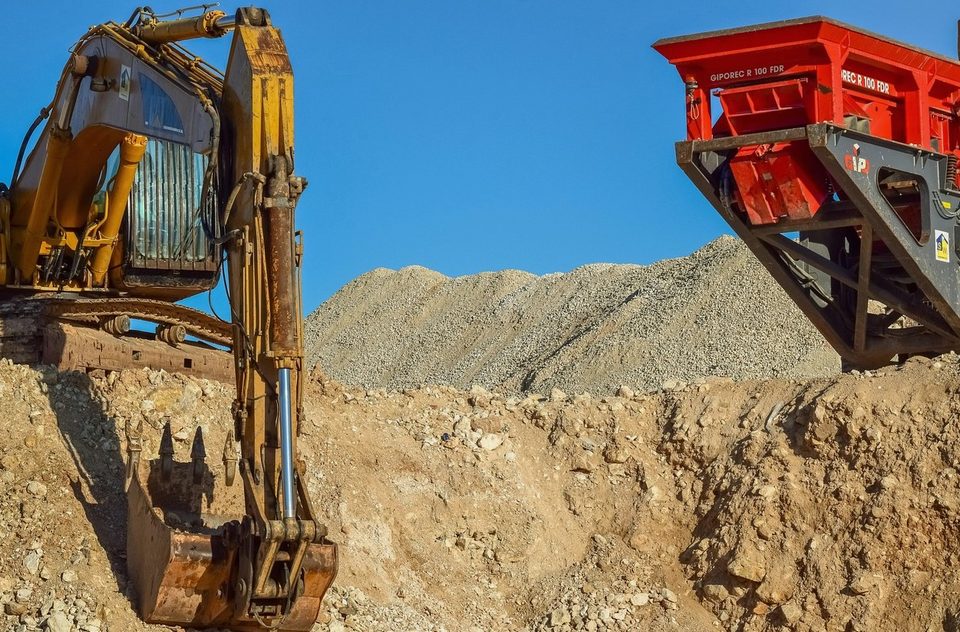
Steep grades change the arithmetic of any haul fleet more than most planners expect. A loaded truck climbing a ramp loses speed, draws heavily on its drivetrain and cools more slowly, so cycle times stretch in ways a flat-ground estimate will not show. Before deciding how many trucks a route needs, measure the gradient along the actual road, including the sections that are wet, rutted or narrowed by spoil heaps. A grade that looks modest on a plan can halve the effective speed of a loaded unit.
Gradient also affects the loader. When the truck must stop on an incline, the loader may have to work from a higher or uneven position, which slows positioning and increases the risk of spillage at the tipping edge. Trucks queued on a slope need wider turning space and firm footing for parking, and both can limit where the loader can stand. Surface condition matters as much as the angle, because soft material reduces traction and forces slower, more cautious manoeuvres.
Terrain should therefore be assessed as a system rather than one variable at a time. Ask how the road, the loading point and the dump point relate in height and distance. Consider drainage, dust control and maintenance access as well, since poor ground quickly becomes the dominant cost. A well-designed haul road with controlled gradients often allows a smaller truck fleet to deliver the same tonnage as a larger one on a neglected track.
- Measure gradients along the full route, not only at its steepest point
- Check whether the loading and dumping positions sit on firm, level ground
- Plan wider turning and queuing areas where trucks wait on slopes
- Account for wet-weather traction loss when setting cycle time targets
- Schedule road grading to keep surface and drainage consistent
Fleet balance between loaders and trucks
Fleet balance is best judged by how the two machine types complement each other over a full shift. A loader that is well matched to its trucks spends most of its time filling rather than waiting, and each truck leaves the loading point with a load close to its rated payload. Mismatches appear quickly: too few trucks leave the loader idle, while too many leave trucks queuing and burning fuel at the face. Balancing the fleet means matching bucket capacity, bed volume and cycle times rather than simply counting machines.
Changing one element of the operation often shifts the whole balance. A new haul distance, a different material density or a longer breakdown repair can each change how many trucks the loader can serve. Review the fleet mix whenever the working face moves significantly, because a configuration that suited the original pit may not suit a deeper or wider one. Keeping records of queue times and idle periods gives a practical basis for these reviews without relying on assumptions.
Maintenance availability should also inform the mix. A fleet with spare trucks can keep production moving while one unit is serviced, whereas a tightly sized fleet depends on every machine being available. Weigh the cost of carrying extra capacity against the cost of lost output during a stoppage. The right answer is seldom the smallest fleet on paper; it is the one that keeps the loader working steadily through ordinary variation.
Scheduling to keep both machines productive
Productivity depends as much on sequence as on machine capacity. A schedule that staggers truck arrivals at the loading point lets the loader work continuously, while a schedule that releases several trucks at once creates a queue and a burst of idle time. Plan the shift around the loading cycle, and set priorities for the first and last hours, when trucks often arrive unevenly after breaks and handovers. Clear radio or dispatch communication reduces the small delays that add up across a shift.
Breaks, shift changes and refuelling all need to be arranged so that one machine's downtime does not stop the other. Refuel trucks between loading peaks where possible, and avoid sending the loader and trucks to fuel at the same time. Operators should know in advance which machine will cover a gap if one unit must leave the cycle, and supervisors should review the plan against the actual times recorded each day.
Finally, treat the schedule as a working tool that improves with use. Compare planned and achieved cycle times, note where delays cluster, and adjust the timetable rather than the machines whenever the cause is sequencing. Small, regular changes in scheduling usually yield more output than a major change in fleet size, and they cost very little to test.
Key points
-
Match the fleet to the cycle The right number of trucks depends on bucket capacity, bed volume and cycle time together, not on machine count alone.
-
Gradient and surface matter Route grades, traction and drainage can change truck speed more than expected, so measure them along the full haul road.
-
Schedule for continuous loading Staggered arrivals, planned refuelling and recorded cycle times keep the loader working and reduce queues.
This article is general information and does not constitute professional advice.